Climbing the North Face of Nevado Mariposa (5,824m)
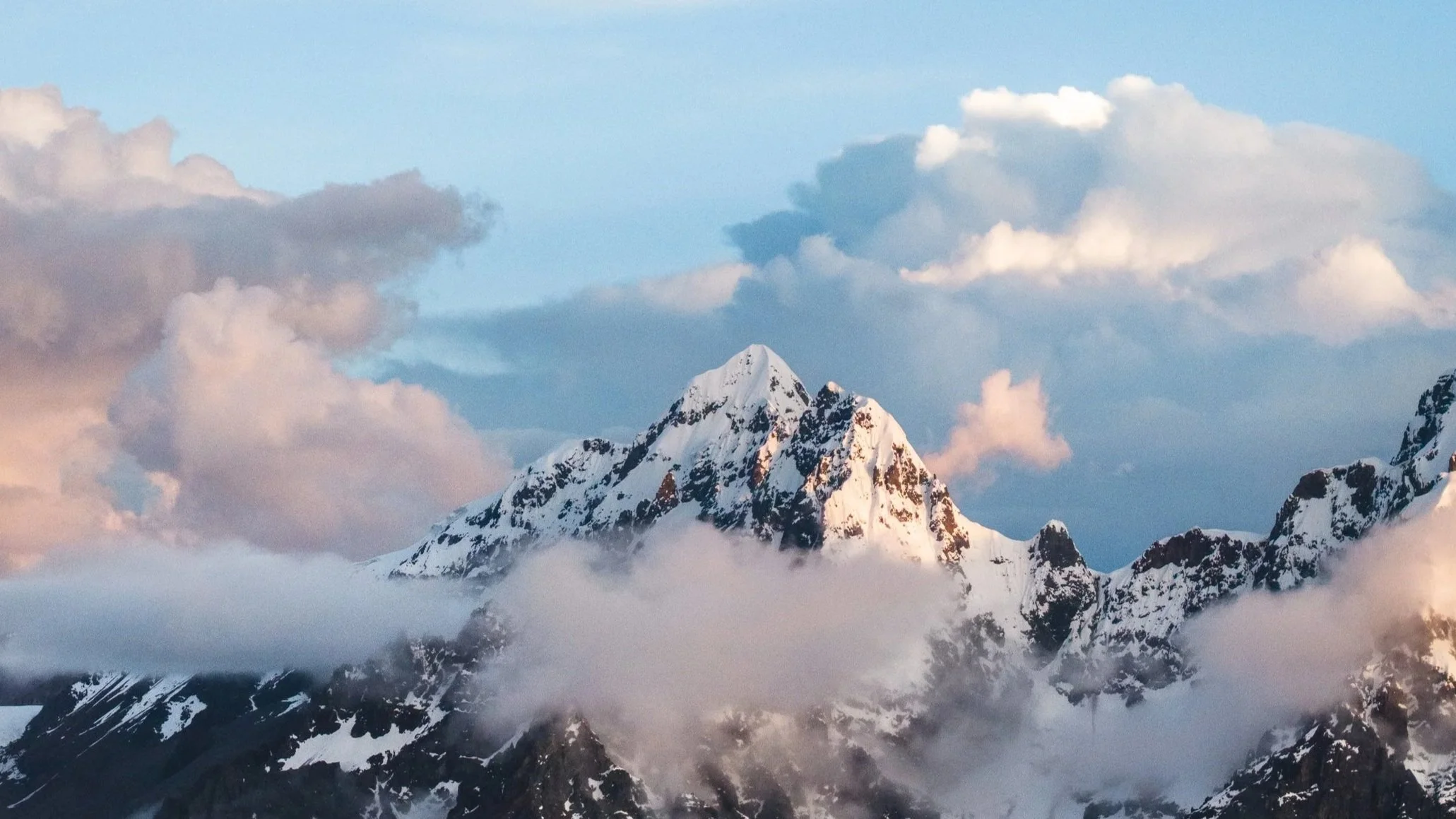
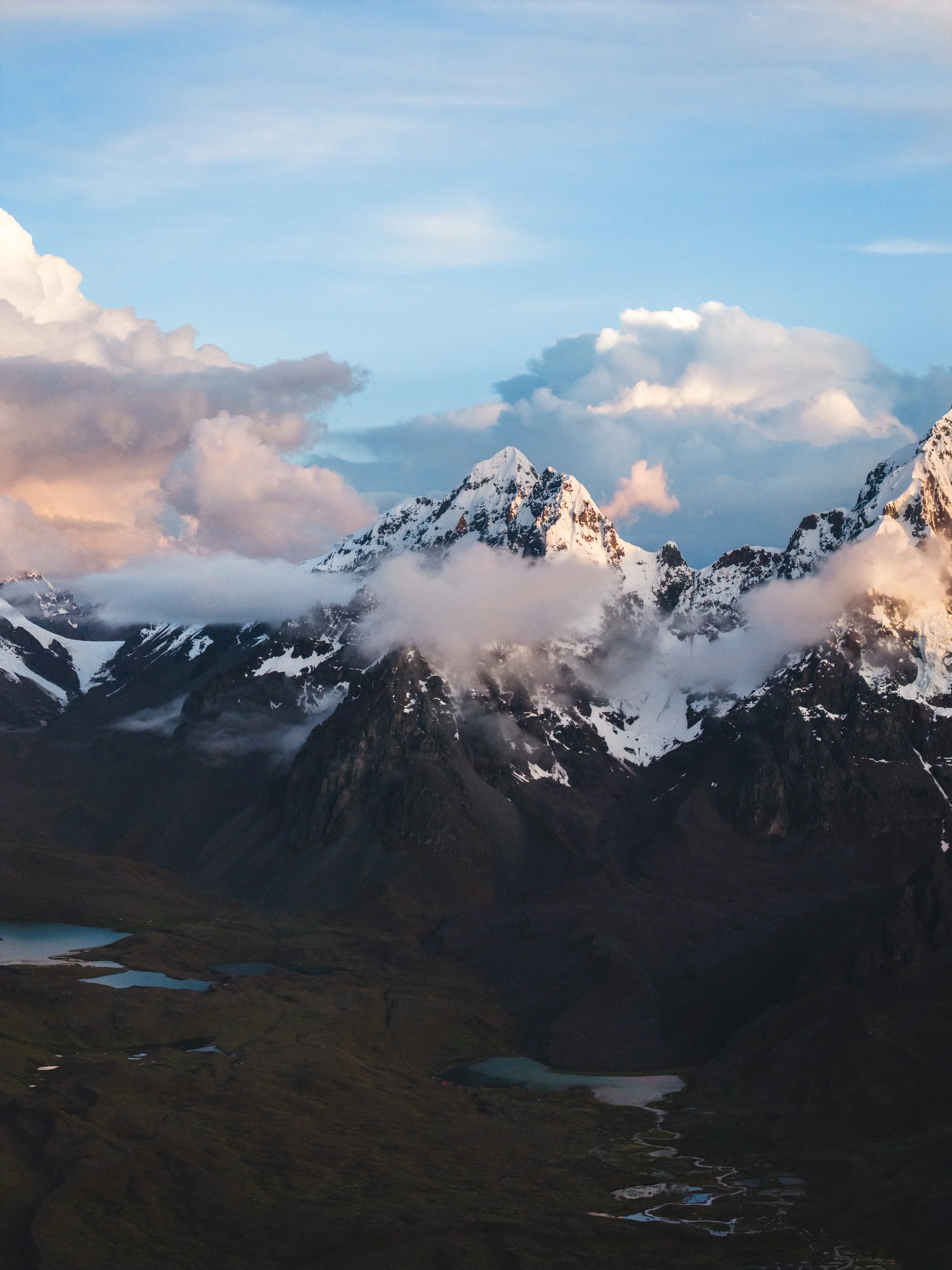
Nevado Mariposa is an impressive peak situated next to Apu Nevado Ausangate (6,384m) on the west end of the Cordillera Vilcanota mountain range in Peru. According to local stories about these mountains, Mariposa is the younger brother of Ausangate. Whether you view it from the community of Pacchanta—where the popular 7 Lagunas day hike begins—or from Chilca, where guided groups test their mountaineering skills on Ausangate’s normal and shield routes, Mariposa stands out as an alluring alpine objective.
In early April, Macario Crispin and I were working together with a guided group on Nevado Veronica right above Ollantaytambo in the Sacred Valley. Unsettled weather conditions prevented us from making a successful ascent on that climb and left us both eager to kick off the season on a peak neither of us had climbed. After returning to my home in Urubamba from Veronica, we made plans to at least attempt Mariposa and possibly one other mountain near Pacchanta in the following weeks.
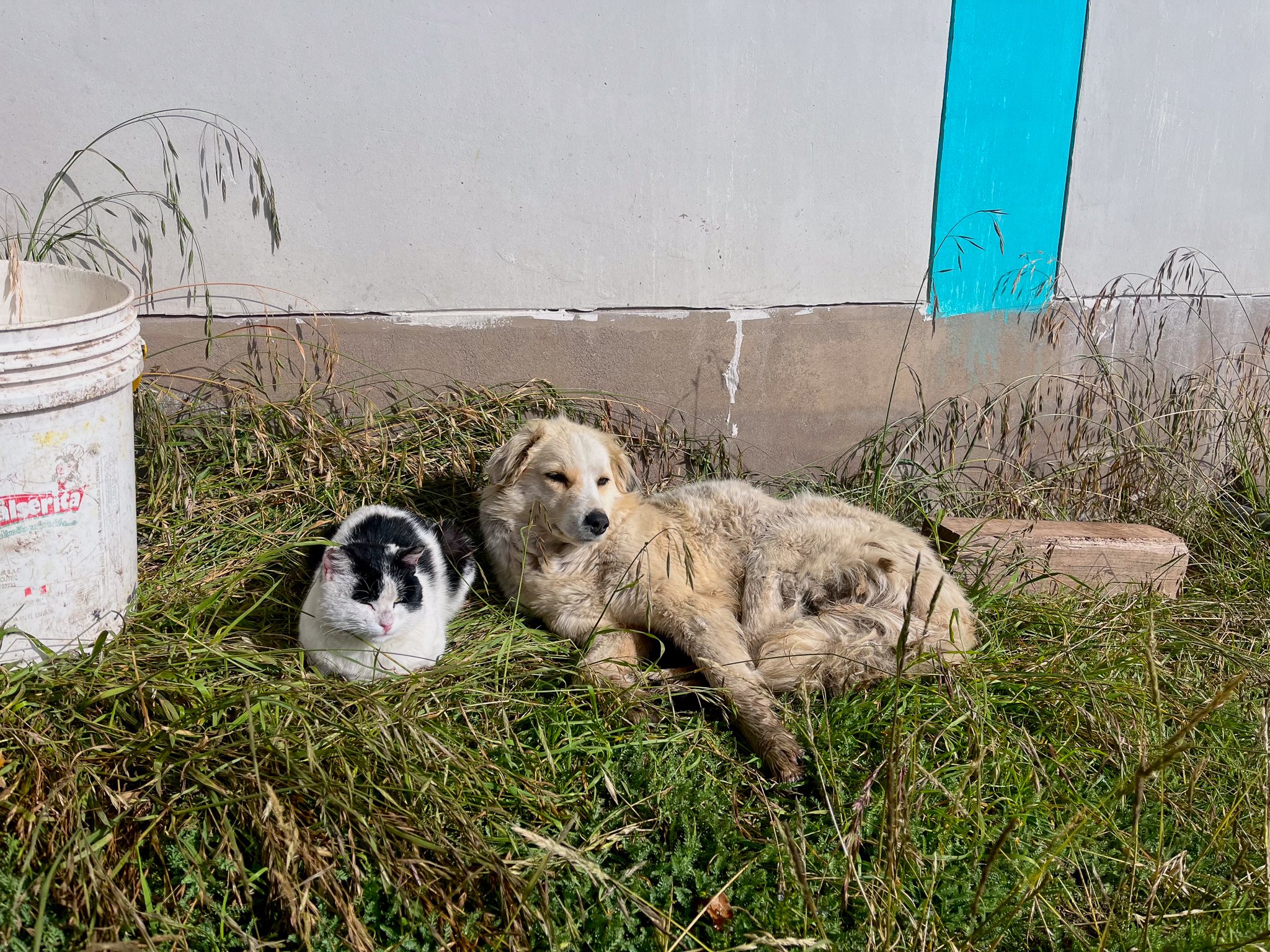
Luna and her feline friend basking in the sun at Luis’ house
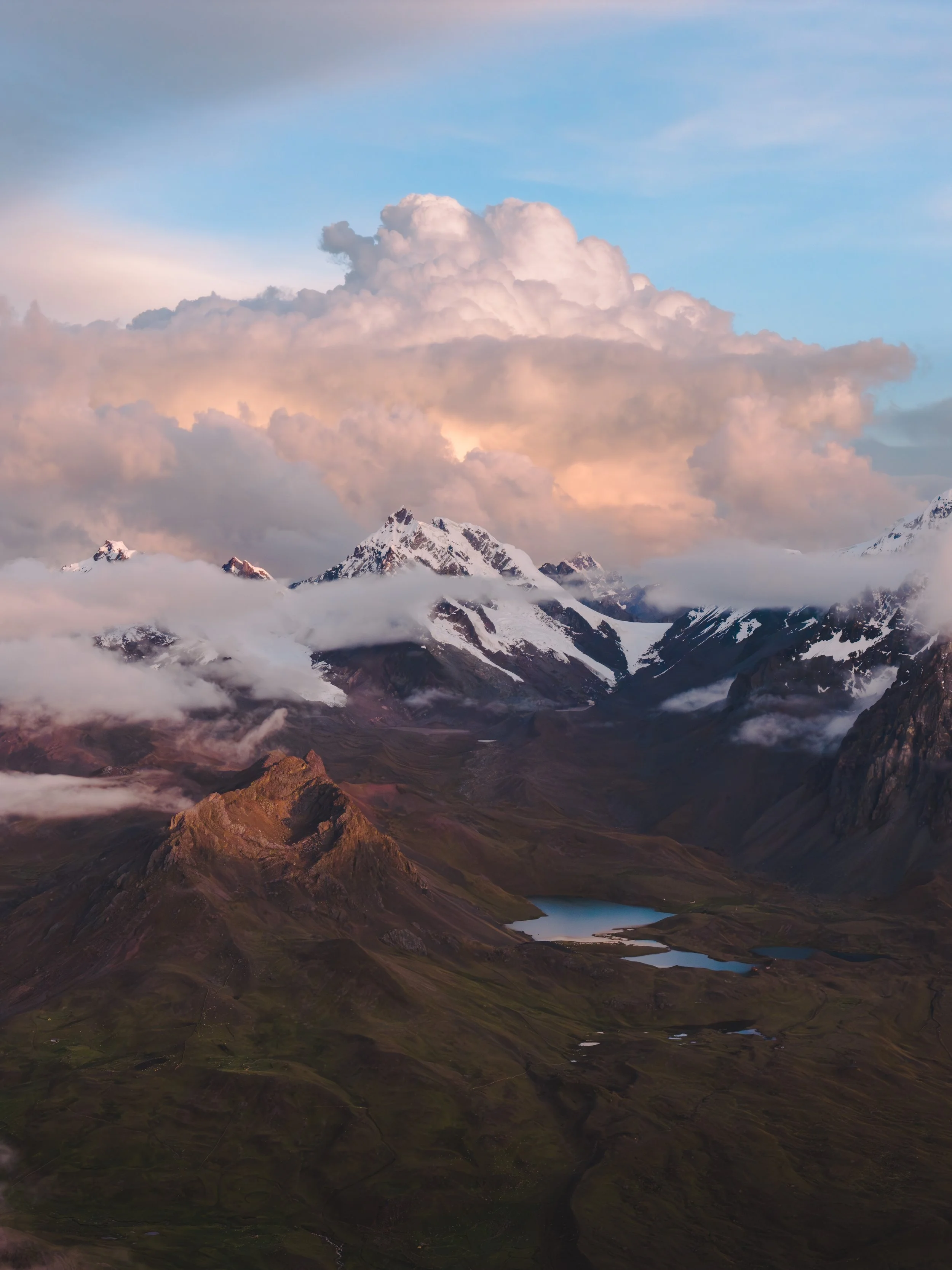
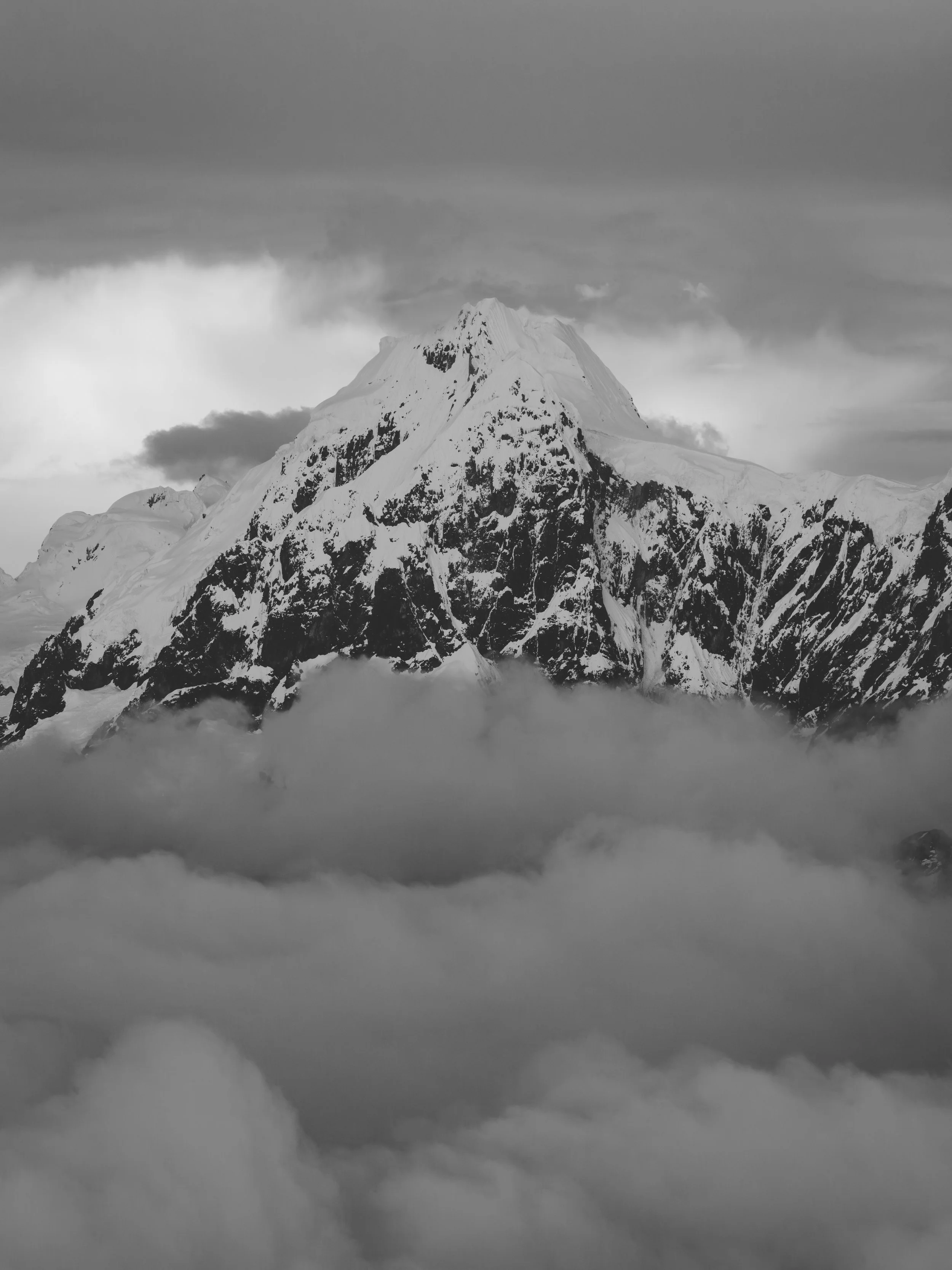
On April 14, 2026, Macario and I departed from Pacchanta at 8am, beginning our approach to the moraine camp below Nevado Mariposa in Peru’s Vilcanota range. Navigation was efficient because Macario already knew the approach route. He was born and raised in these mountains and had been a porter for several expeditions to Mariposa in the past decade but never had the chance to summit with the rope teams. At around 2pm that day, after 6 hours of approach, we found the perfect place right next to the glacier to make camp.
Once we arrived, we set down our packs and spent about thirty minutes moving rocks and leveling dirt until we had a flat platform to sleep on. For shoulder season climbing in Peru, the weather was decent enough to give us hope that we'd be able to make a successful attempt at the mountain. The clouds hung around 6,000 meters with intermittent rain showers most of the afternoon.
At around 6pm as we started heating water for our ramen packets, dark clouds rolled in from the southeast, filling the sky above us. That's when a deafening thunder began cracking above our heads. I was spooked. At 5,200 meters, we were completely exposed to the tremendous storm brewing above us. Shortly after the thunder began, we noticed lightning flashes coming from the other side of the mountain too. I worried about our exposure to lightning strikes and started to make a mental plan on how we could descend to a lower, less-exposed position. I packed a bivy bag for Marcario and me, ready to go down at any moment, but Macario was unfazed. He sat outside, calmly boiling more water for his meal. He said he was concerned about the storm; however, it wasn't grave enough for him to see the benefits of descending to a lower point on the moraine. After all, we wouldn't have had anywhere to take shelter because the entire moraine was exposed. We stayed in place, and about two hours after the first sounds of thunder, the storm passed.
Bolts of lightning lit up the sky in the distance, rather than above us. I was relieved.
From 8pm until 1am we both slept really well. It was the kind of sleep you experience in your bed after a long expedition. When I woke up, I peaked outside the tent and saw that the sky was clear. Macario and I briefly spoke and decided to get our equipment together for an attempt at the North Face of Mariposa. At 2:30am we left the tent.
Within five minutes of departing the tent, clouds completely enveloped us. We continued up the sloping glacier for about 20 minutes until we reached a flat spot. Visibility was next to nothing. We contemplated our options and decided to stay put until hopefully the clouds moved out. Thankfully, within about 15 minutes, they blew over, and we gained full visibility again. This pattern continued for most of the climb, but once we had a clear look at the route, we didn't need much visibility to continue climbing.
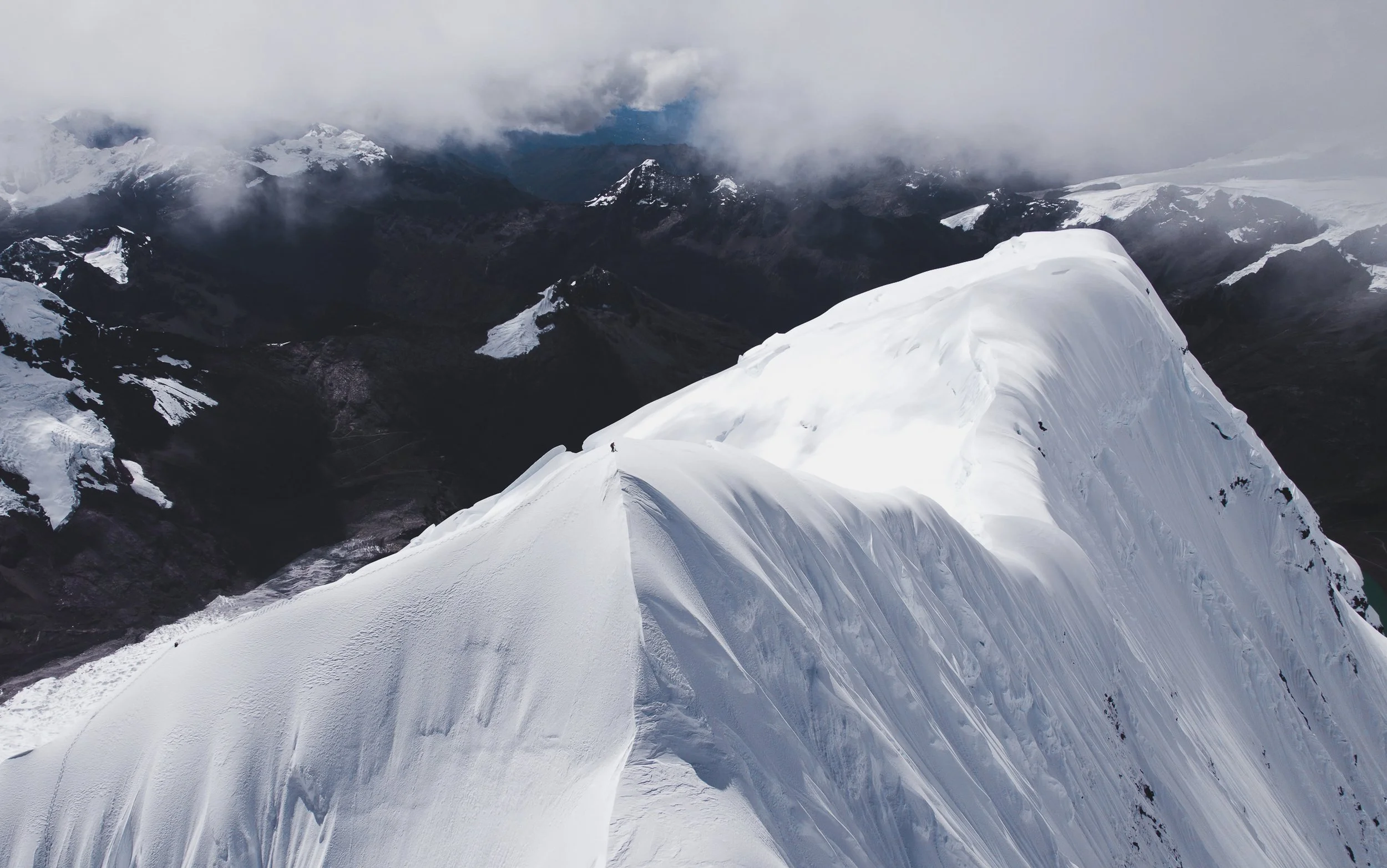
Due to the early-season conditions, we post-holed through thigh-deep snow every few steps. The steeper sections of 60–80 degree snow provided a harder surface to ascend. We took turns breaking trail and leading up the route. We roped up as a safety precaution in case of a crevasse fall, but we simul-soloed the entire route.
At around 6am we arrived at the base of the final headwall, about 300 meters below the summit. The sky was bright enough to turn off our headlamps, and the wall looked to be in all-time conditions. The bergschrund was completely filled in, and we were able to make a direct ascent right up the gut of the wall. I led 240 meters up the wall until the morning sun beat me down and the extra work of making the path tired me out. 60 meters below the summit, Macario climbed in front of me for the final push. He ascended the last meters, and on April 15th at 7:30am, after about 5 hours since we left our tent, we stood together on the summit of Nevado Mariposa.
Our celebration was calm, and I felt content. For thirty minutes we gazed at the incredible views of the Vilcanota mountain range in every direction. The east face of Ausangate, the Cayangate chain, and the other nearby peaks rising above the clouds. Before long we started rappelling down the face. Our first rap got stuck, and Macario climbed back up 70 meters to retrieve the rope and down-climb back to me. Clouds rolled in after the second rappel, and not long after that, more thunderstorms rolled in. After about five rappels, we popped off our crampons and made haste down to our camp, then back down to Pacchanta. In total, the day took only 15 hours from base camp, to the summit, and back to Pacchanta.
After we arrived to Pacchanta, Macario's wife prepared us a delicious plate of cuy to celebrate the summit. Within minutes we were already daydreaming of all the routes that we want to attempt this year together. Macario had to work the next day, and the weather didn't look like it was going to improve, so I decided to go back to Urubamba the next morning to give myself extra time to prepare for my dad's visit, which was in less than a week.
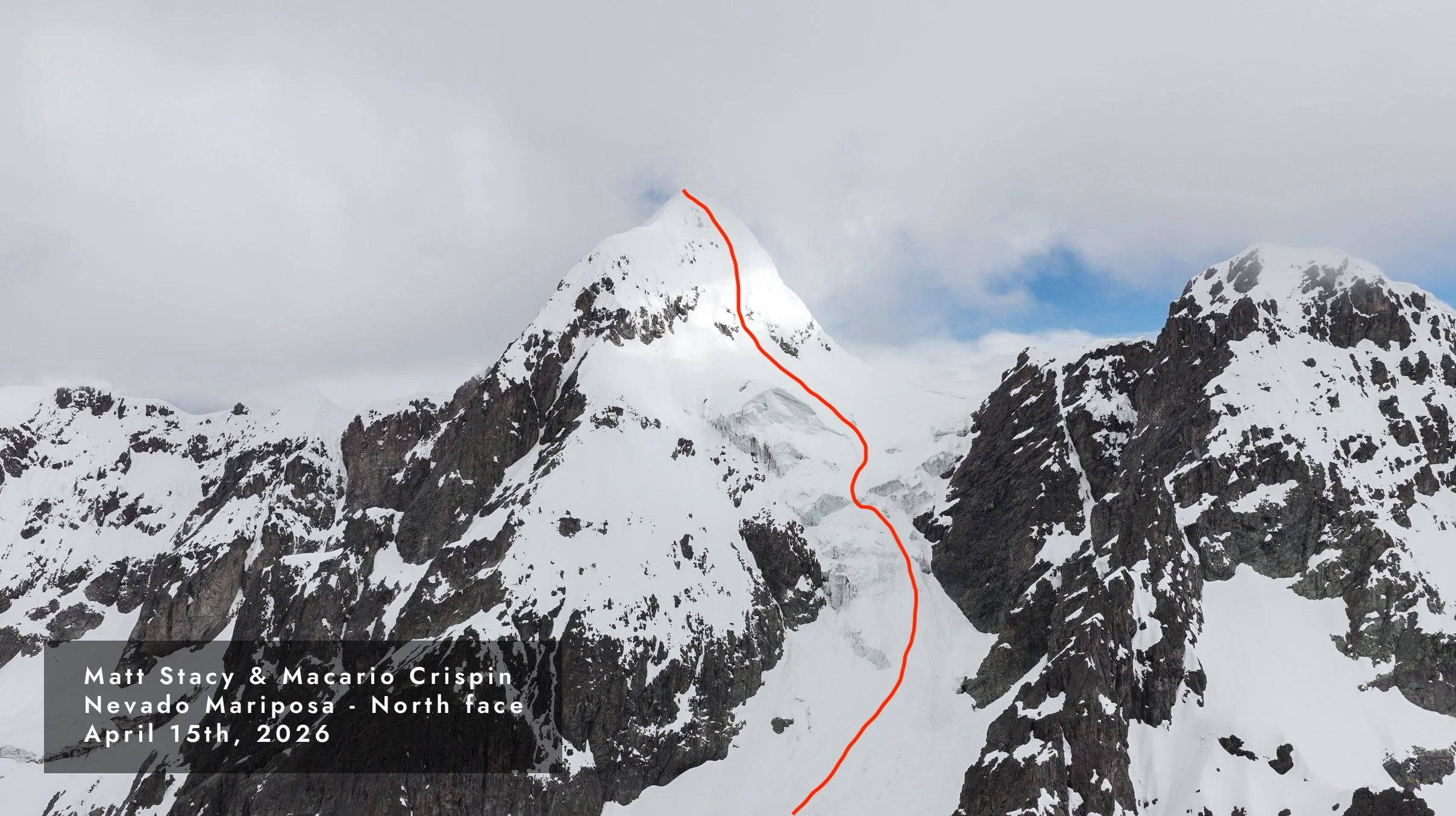
The north face route on Nevado Mariposa
As a standalone guided mountaineering objective, Nevado Mariposa is normally done in four days. For anyone looking to step up their technical skills with intermediate climbing, Mariposa offers at least 8 pitches of steep snow and ice climbing. It can also be combined with any number of peaks in the range and is a recommended climb to acclimatize before attempting the 6,384 meter Apu Ausangate.
Other worthwhile objectives that I recommend before taking on Mariposa’s north face are Nevado Sirijuani, Cerro Soray, or Nevado Campa which are all accessible from the city of Cusco.
Thanks for reading! Join my newsletter to stay up to date with future trip reports, photography content, and other related topics in Peru and beyond.